Make your electric citrus juicer last
The plastic drive parts on electric citrus presses fail for predictable reasons. The technique, the habits and the five-minute checks that prevent it.
The failure everyone means
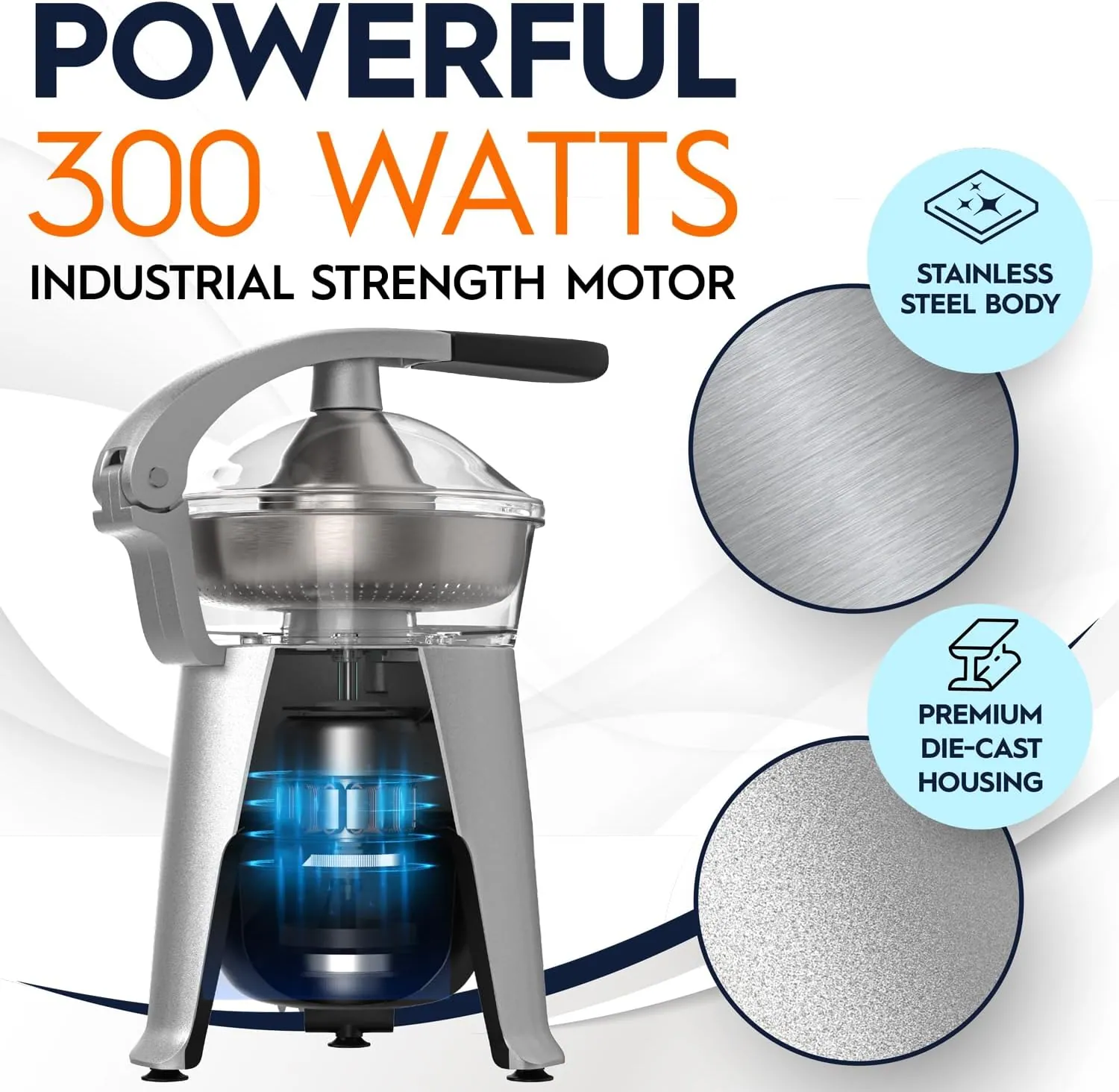
Search this category and the same complaint comes back: a plastic part inside an electric citrus press stripped or snapped, sometimes within months. It is the number one doubt buyers have, ours included, and pretending otherwise would be insulting.
Here is what we know from the pattern of those reports: the motor almost never dies first. What fails is the small plastic drive coupling between motor and cone, and it fails under a load it was never designed to take.
Side load is the enemy
A citrus press is built to take force straight down the axis of the cone. When you rock the handle side to side to squeeze that last drop, all of that force arrives on the drive coupling sideways. Plastic is strong in compression and weak in shear, and that is the geometry of nearly every broken part we hear about.
The fix costs nothing: press vertically. If the half is not giving up its juice, lift it, turn it a quarter turn, and press again.
Let it work at its own pace
The second habit is patience of a very short kind. When you feel the motor bog down, the instinct is to push harder. That is exactly backwards: the motor is telling you the load is at its limit, and the extra push goes straight into the coupling. Ease up, let the cone turn, and the juice comes anyway.
The third: never run the press dry. Starting it against an empty cone spins the drive with no load to steady it, and repeated dry starts wear the very part you are trying to protect.
The five-minute weekly check
Once a week, take the cone off and look at the drive socket. It should be dry, clean and free of dried pulp. Grit in that socket is an abrasive. Dried pulp holds moisture against plastic.
Wipe it, dry it, put the cone back so it seats fully. If the cone ever wobbles or sits proud, stop using the press until you find out why: a cone that is not seated is a cone that presses sideways.
If it fails anyway
Sometimes a part fails despite everything. Returns and replacements run through the retail partner, per their policy, and inside the return window that is the reliable path. Outside it, check the product page there for parts listed there before assuming a spare exists: we do not run a separate parts store, and we would rather say so than promise one.
The troubleshooting guide covers what to check before you conclude a press is broken: many machines that will not start are simply not assembled fully.
Where to go next
- Troubleshooting: won't start, uneven press, overflow
- Support, parts and returns
- Cleaning in 90 seconds
About the author
Casey Whitmore writes the guides on this site. Casey squeezes citrus most days of the week, on every juicer we make, and keeps notes on what works, what breaks and what is worth the counter space. No certificates, no titles: just a lot of juiced limes.